“Absolutely, the DHCP (Dynamic Host Configuration Protocol) is indeed utilized in WiFi technology, proficiently managing IP addresses and ensuring devices within a network can communicate effectively.”
Description
Is DHCP used in WiFi?
DHCP’s role
Yes, DHCP is commonly applied in WiFi networks to allocate dynamic IP addresses to devices.
Benefit in Wi-Fi networks
Automates the IP address configuration process, simplifies network management.
Limitations
Dependent on a functioning DHCP server, potential security risks.
Alternatives
Static IP addressing, APIPA
The Dynamic Host Configuration Protocol, abbreviated as DHCP, plays a crucial role in WiFi networks. Primarily, DHCP is tasked with handing out or leasing IP addresses dynamically to devices within the network, making it a critical component of any WiFi setup. A device such as a smartphone, laptop, or even smart IoT devices, when connecting to a WiFi network, may use DHCP to obtain an IP address.
One of the main benefits of using DHCP in WiFi networks is that it automates the IP address configuration process, which otherwise would have to be done manually for each device. Therefore, DHCP greatly reduces the amount of time and effort spent by network administrators on managing IP addresses. Additionally, it mitigates the occurrence of certain errors, like duplicate IP addresses, that can arise from manual configurations.
However, the use of DHCP in WiFi does come with its share of limitations. The most primary constraint being that if the DHCP server happens to go down, new devices may not be able to join the network while existing ones might not get their leases renewed, which could lead to networking issues. Another concern relates to security since a rogue DHCP server can provide wrong configurations information leading to data leakage or man-in-the-middle attacks.
Despite these constraints, alternatives to DHCP like static IP addressing and Automatic Private IP Addressing (APIPA) can be considerably more complex to manage in a WiFi environment. In general, the simplicity and efficiency provided by DHCP in WiFi networks far outweigh its limitations, making DHCP the preferred choice for most WiFi setups.
Reference the following links for further reading:
Here’s a basic example of how the DHCP process works:
1. Device sends a DHCP discover message (DHCPDISCOVER)
2. DHCP server responds with a DHCP offer message (DHCPOFFER)
3. Device requests the offered IP in a request message (DHCPREQUEST)
4. DHCP server acknowledges the request with a successful acknowledgement message (DHCPACK)
This process shows how DHCP streamlines the process of allocating IP addresses in WiFi networks, making network management more efficient.
DHCP
(Dynamic Host Configuration Protocol) plays a highly essential role in Wifi networks, including its use in allocating IP addresses. At this point, it’s crucial to assimilate the definition of DHCP. It’s a protocol that dynamically assigns IP addresses to devices on a network. The focus here is primarily on how these assignments are dynamic; every time a device connects or reconnects to a network, it can potentially receive a different IP address.
An intriguing aspect of DHCP’s role in Wifi is precisely tied with the flexibility and fluid nature of wireless connections. Devices frequently disconnect and reconnect to such networks either due to mobility of users or power-saving mechanisms implemented in modern portable devices. Here lies the importance of
DHCP
:
Dynamic and Temporary IP Address Allocation: The transient characteristic of WiFi connections makes it impractical to manually assign IP addresses. Hence, why DHCP is used. This server automatically assigns an IP address, subnet mask, gateway, and other such parameters when a new device connects.
Efficient Use of IP Addresses: DHCP also cleverly optimizes the utilization of IP addresses by reassigning them once they’re no longer in use. Considering IP addresses are a finite resource, efficient usage is a significant aspect of sustainable networking.
Network Administration Simplification: The automation of IP allocation reduces the administrative burden associated with manual configuration. This streamlines the work of network administrators, freeing up resources for other critical tasks.
As an example, consider logging into a coffee shop’s public WiFi. On joining the WiFi network, your device sends out a
DHCPDISCOVER
message looking for a DHCP server. Once connected, a handful of messages are exchanged – including
DHCPOFFER
,
DHCPREQUEST
, and
DHCPACK
. Eventually, your device is allocated an IP address and other related network settings, allowing you to milk that free internet access while sipping on your venti latte.
In summary, not only is DHCP used in WiFi, but it also happens to be a building block that developers, administrators, and consumers rarely notice but constantly rely on. While operating behind the scenes, DHCP weaves a network’s fabric together, personifying the “It just works” philosophy of intuitive connectivity and usage.
For more insights on DHCP, you may wish to visit the Internet Engineering Task Force’s official documentation outlining the key aspects of this essential protocol.Absolutely! In the realm of Internet Protocol networks, DHCP or Dynamic Host Configuration Protocol plays a crucial role. It’s essentially a network management protocol utilized on IP networks where a DHCP server dynamically assigns an IP address and other related configuration details to each device on the network, enabling them to communicate with other IP networks.
In the context of WiFi, DHCP has significant relevance. Here’s a brief breakdown of the typical sequence of operations when a computer (or client) connects to a WiFi network:
DHCP Discovery Phase
A device trying to connect to a WiFi network will initiate with the DHCP discovery phase. The device sends out a DHCPDISCOVER message to locate any available DHCP servers in the network.
code
dhcp discover example
DHCP Offer Phase
All active DHCP servers will respond to the DHCPDISCOVER broadcast by sending a DHCPOFFER packet. This will include an available IP address from its pool, along with other network settings like subnet mask, domain name, nameservers, and the lease time.
code
dhcp offer example
DHCP Request Phase
The client device receives these offers and selects the most suitable one. Afterwards, it sends a DHCPREQUEST back to the chosen server, requesting the offered address and configuration settings.
code
dhcp request example
DHCP Acknowledgement Phase
Upon receiving the DHCPREQUEST, the server reserves the offered address for the client and sends a DHCPACK packet back. This contains all the final configuration parameters needed by the client.
code
dhcp ack example
A table might provide a better visual representation. This demonstrates how devices communicate using DHCP in a WiFi setup:
Phase
Action
DHCP DISCOVER
The client broadcasts to find available servers.
DHCP OFFER
All servers respond with offers of configuration settings.
DHCP REQUEST
The client replies to accept an offer.
DHCP ACK
The selected server acknowledges and provides the final configurations.
So to answer the question, “Is DHCP used in WiFi?” Indeed, DHCP is integral in facilitating communication within a WiFi network. Without DHCP, manual intervention would be necessary to assign IP addresses and configure each device—something unfeasible in networks large scale.
For additional resources on DHCP and its functioning, navigate to this Cisco article. For more details about the usage of DHCP for WiFi, explore this TechWalla post.
Remember that understanding how protocols function beneath the layers of our everyday internet usage can empower us to troubleshoot efficiently and optimize our digital environments effectively.
First and foremost, it’s crucial to understand the roles of both DHCP (Dynamic Host Configuration Protocol) and WiFi in network communication. On one hand, WiFi is a technology that need protocol like DHCP to establish a connection, while on the other hand, DHCP is a protocol that assigns IP addresses to devices on a network.
DHCP: The IP Manager
DHCP
stands for Dynamic Host Configuration Protocol. It’s a network protocol used by devices (DHCP clients) to request Internet Protocol (IP) addresses and other parameters from a server so they can communicate on the IP network. DHCP is an integral aspect of the internet protocol, enabling device IP assignment duties to be offloaded from administrators, making life simpler for both administrators and end users.[source]
Let’s dig into this concept by expanding on the elements included here:
Device: In our case, this could be a laptop or any other device connecting to the internet via Wifi.
DHCP Client: This is software running on a device that will interact with a DHCP Server.
Server: This is usually a router (in home networks) or a dedicated machine (in larger networks such as company networks).
IP Address: A unique identifier assigned to each device on an IP network.
WiFi: The Wireless Connecter
On the other side, we have WiFi which is a wireless networking protocol that devices use to communicate without direct cable connections. It’s an inherently local and temporary alternative to Internet co-opted by mobile devices. Also, it’s commonly utilized in home networks.[source]
The Relationship between DHCP and WiFi
When a device connects to a WiFi network, a series of events takes place behind the scenes that provide the device with everything it needs (including an IP address) to communicate over the network. The core of these processes is the DHCP.
Your laptop (acting as the DHCP client) communicates to the available server requesting network configuration details. It does this using the DHCP protocol. The server – in this case, typically your router – receives the request and responds back to the device. The response includes an IP address that the server has in its pool of available addresses, subnet mask, default gateway, DNS server information, among other things.
Once issued an IP address by the DHCP server (usually your router), your laptop now has the correct network configuration information to transfer data over the network and access the internet through the router.
An example of DHCP at work with WiFi:
Consider a scenario where you enter your favourite coffee shop, connect your smartphone to the WiFi. Behind the scenes:
Your smartphone sends a DHCP request.
The coffee shop’s router receives your request and assigns an available IP address to your smartphone along with the other necessary network config details.
Your smartphone uses these to browse social media or whatever you intended doing.
Without DHCP, the process of setting up network configurations would be tedious as you’d have to manually assign an IP address every time you connect to a different network. This gives you a picture of how crucial DHCP is in any WiFi network.
In conclusion, based on the above detailed explanation, DHCP is indeed used in WiFi. It defines how all devices connected to a WiFi network can get their unique IP requirements automatically rather than having to receive them manually. Therefore, DHCP plays a significant role in WiFi connectivity.The relevance of Dynamic Host Configuration Protocol (DHCP) to wireless internet connections, specifically Wi-Fi, cannot be overstated. At its core, DHCP is a network protocol that enables a server to automatically assign an IP address and other related configuration parameters to each device on the network. As such, when we discuss how DHCP is used in Wi-Fi, you can think of it as the magic behind how your device connects so seamlessly and almost instantly to a wireless network.
Firstly, let’s familiarize ourselves with what happens the moment we try to connect any equipment to a Wi-Fi network. Your device sends out a signal requesting connection to a network. If DHCP lays dormant protocol-wise, the access point would require you to manually input an appropriate IP address, Subnet Mask, Gateway, DNS, and potentially other settings. Notice a possible inefficiency? A challenge even some experienced users might find daunting, right?
Well, looming in the corners is DHCP, ever ready to significantly simplify this process. When activated within a Wi-Fi router or access point, DHCP administers a pool of IP addresses and information associated with network configuration. On connecting a device to this network, DHCP allocates a unique IP address from this pool, essentially ensuring efficient transmission and reception of data packets. It also provides details pertaining to the subnet mask, default gateway (usually the router’s IP), Domain Name Server(s), among others.
Let’s dive into the crux of the matter here—examining a few essentials of DHCP protocols in Wi-Fi:
DHCP Leases: The DHCP server does not permanently assign the IP address—it leases it to the device for a particular duration. The device can request extension of the lease, else the address is returned to the pool. This dynamic allocation prevents the exhaustion of IP addresses.
DHCP Relay agents: To ensure accessibility across different network segments (especially in larger networks), DHCP Relay agents forward requests from devices to the configured servers. This extends DHCP’s functionality beyond its local subnet.
Conflict Resolution: Unforeseen circumstances can create duplicate IP addresses. DHCP features conflict detection mechanisms to prevent such clashes.
Through code, here’s a high-level skeleton representation of how DHCP works in PHP:
$ip = 'your server ip';
$hw = 'your mac address';

$dhcpSocket = socket_create(AF_INET, SOCK_DGRAM, SOL_UDP);
socket_bind($dhcpSocket, "0.0.0.0", 68);
socket_set_option($dhcpSocket, SOL_SOCKET, SO_BROADCAST, 1);

$dhcpDiscover =
    chr(0x01) . chr(0x01) . chr(0x06) . chr(0x00) .
    chr(0x39) . chr(0x03) . chr(0xF3) . chr(0x00) .
    //remaining DHCP codes
 ;

socket_sendto($dhcpSocket, $dhcpDiscover, strlen($dhcpDiscover), 0, "255.255.255.255", 67);
socket_recvfrom($dhcpSocket, $buf, 1024, 0, $from, $port);

// Check and process received info as per DHCP response
Remember to substitute the IP and hardware address according to context.
In essence, DHCP plays an integral role in our day-to-day usage of Wi-Fi networks. It automates the network setting configurations that would otherwise be cumbersome to handle manually. Here is a resource you may find helpful. It offers a comprehensive guide revolving around the importance of DHCP while demystifying its usage in Wi-Fi.
DHCP (Dynamic Host Configuration Protocol) carries a critical role when it comes to WiFi usage; in fact, it is used in WiFi and is integral to ensuring seamless connectivity.
DHCP’s main function is to perform automated configurations for the clients on the network, providing them with IP addresses and crucial networking parameters. This spectacular attribute of DHCP plays an instrumental role to facilitate seamless communication between the different interconnected devices via WiFi, allowing them to exchange data across networks.
/* Simulating the configuration output by DHCP Server */
{
 "Hostname": "node1",
 "IP Address": "192.168.0.101",
 "Subnet Mask": "255.255.255.0",
 "Default Gateway": "192.168.0.1",
 "DNS Server": "8.8.8.8"
}
In your home or office, you most probably use a WiFi router, which typically has a built-in DHCP server. When a device links up with this router, it promptly sends a request to the DHCP server – soliciting network configuration information. The process for this is outlined below:
The client device dispatches a DHCP DISCOVER packet.
The DHCP server intercepts this packet and responds with a DHCP OFFER that contains a proposed IP address the device can employ.
The client then evaluates these offers and finally settles for one, replying with a DHCP REQUEST.
Once the server confirms the assignment of the IP address with a DHCP ACK, the client is set and authorized to start communicating on the network.
Using the DHCP server bundled in WiFi routers conveniently saves time and manual configuration efforts. But more importantly, DHCP ensures the WiFi network operates seamlessly as it assigns unique IP addresses preventing duplicate conflicts, and provisions IP addresses for new devices.
To better understand the importance of DHCP in managing WiFi connections, consider a situation without its capabilities. Without DHCP, IP addresses would have to be assigned manually to each and every user’s device before they could access the WiFi network. A process that is extremely cumbersome and inefficient, especially on large networks which dynamically see devices connecting and disconnecting regularly.
According to experts at Cisco Press, the existence of DHCP makes such processes dynamic, efficient, and centralized, leading to zero IP conflicts and ultimately yielding proper functioning of internet services over WiFi.
To illuminate, here’s some python code that emulates a basic, rudimentary DHCP server operation:
// Simple DHCP Server Implementation
import socket

def begin_DHCP(IP_Address):
    # Opening a socket connection
    soc = socket.socket(socket.AF_INET, socket.SOCK_DGRAM)
    soc.bind(('0.0.0.0', 67))

    while True:
        data, addr = soc.recvfrom(1024)
        if not data:
            break

        print('Got a request from: ', addr)
        print('Sending IP: ', IP_Address)

        soc.sendto(str.encode(IP_Address), addr)

# Run DHCP server
begin_DHCP('192.168.0.5')
Taken together, it is apparent that DHCP indeed serves a crucial role in WiFi usage, demystifying the general question on whether DHCP is employed in WiFi. It is safe, therefore, to say that DHCP is a highly important tool that facilitates effortless network intercommunication for all types of users on a WiFi network.
Devices within a WiFi network utilize the Dynamic Host Configuration Protocol (DHCP) for dynamically assigning IP addresses to devices that want to connect to the network. Essentially, DHCP acts as the network manager, ensuring that every connected device has its unique identifier — the IP address.
To fully comprehend this operation and indeed answer “yes” to the question, “Is DHCP used in WiFi”, let’s scrutinize this process by looking at the four fundamental stages of DHCP — Discover, Offer, Request, and Acknowledge, often collectively referred to as DORA.
// Hypothetical network transaction showing DORA stages
Network_Device: DHCP_Discover
DHCP_Server: DHCP_Offer(<IP Address>)
Network_Device: DHCP_Request(<Offered IP Address>)
DHCP_Server: DHCP_Acknowledge
– DHCP Discover: This is when a device, say your smartphone, wants to connect to a WiFi network. The network device sends a broadcast message (DHCP Discover) probing for a network with a DHCP server.
– DHCP Offer: If a DHCP server exists in the network, it responds to the discover message with a DHCP Offer. The offer contains an available IP address and other necessary network information like subnet mask and default gateway.
– DHCP Request: The device reviews the offer and if it finds it suitable, it sends back a DHCP Request to the server. This message includes the offered IP address indicating it wants to accept it.
– DHCP Acknowledge: Once the server gets this request, it earmarks that particular IP address for the device and sends back a DHCP Acknowledge message. At this point, the device can now use the assigned IP address to interact with other devices on the network.
This sequence is the typical, simplified flow but with the capacity to be more complex with additional components like lease time, options for extension, and directly proportional relations to the number of devices and their peculiarities.
Consider the following table demonstrating how devices might get IP assignments over time:
Device
Time Joined Network
Assigned IP
Laptop
08:00 AM
192.168.1.2
Smartphone
09:30 AM
192.168.1.3
Tablet
11:20 AM
192.168.1.4
A DHCP server can reside directly within the wireless router or be hosted separately on a different server. It all depends on the size and requirements of the network. To learn more, you may want to dive into materials explaining the “Internals of DHCP Protocol“. Hands-on learning also helps reinforce these concepts; consider setting up your local network at home or virtually through software such as “GNS3” or “EVE-NG“.
Ultimately, the prudent use of DHCP in WiFi networks aids optimal network functionality and easy addition or removal of devices from the network. Having devices configured this way lowers configuration errors to almost nil and makes IP management much simpler, increasing overall network efficiency and robustness. Plus, automation of IP assignment reduces the administrative overhead of manual IP management, freeing up significant time and resources.Sure, I’d be happy to dive into that. Let’s start by defining DHCP or Dynamic Host Configuration Protocol. It’s a network management protocol used on Internet Protocol (IP) networks, where a DHCP server dynamically assigns an IP address and other network configuration parameters to each device on the network, so they can communicate with other IP networks1.
Whereas Wi-Fi – a technology that uses radio waves to provide wireless high-speed internet and network connections – actively utilizes DHCP in its configuration settings. There is often a big discussion about whether to utilize static or dynamic (DHCP) settings.
If we denote static settings as a situation where all Wi-Fi configurations from IP address, subnet mask, to default gateway are manually entered into the device, Dynamic settings (DHCP), on the other hand, allows these configurations to be automatically assigned by the DHCP server upon connection to the network 2.
The impact of using DHCP in Wi-Fi configuration can be seen clearly:
• Efficiency in Network Management:
Utilizing DHCP allows for efficient management of IP addresses within a network. Since IP addresses are assigned automatically, this reduces the chances of IP conflicts that might occur when manual configuration is involved3.
• Flexibility and Scalability:
DHCP is also seen as flexible and scalable as it suits both small and large networks. When devices come and leave the network, the same IP can be reassigned to new devices, increasing the number of potential devices that can connect over time. This inherent flexibility makes it a good option for organizations that regularly add and remove devices from their network 4.
{
  "Device": "User Device",
  "Action": "Connect/Disconnect to Network",
  "Result": "DHCP assigns/reclaims IP Address"
}
In comparison, static settings would require a lot more effort in network management because an administrator will need to assign different information for each device manually and it lacks the flexibility to scale. Thus, from the above comparison, one would conclude that the use of DHCP comes with numerous benefits that lend well to the efficient and effective management of Wi-Fi configurations.
It’s necessary to note that certain scenarios may still necessitate the use of static settings despite the apparent advantages of DHCP settings, particularly in cases where devices such as servers need to maintain constant IP addresses for secure and reliable communications.
Therefore, based on the overall functionality and implications, it can be stated unambiguously that yes, DHCP is used in WiFi and plays a significant role in its configuration process5.
Please remember that you can switch off your router’s DHCP server if you really need to go with static settings – but for most users, leaving DHCP enabled is the best choice since it does the job just fine without any unnecessary complication.
Absolutely, the DHCP (Dynamic Host Configuration Protocol) is vastly used in WiFi environments. It’s indeed a critical part of many home networks, businesses, and institutions due to its role in automatic IP address assignment which ensures devices can connect to the network without manual configuration.
Let’s delve into potential issues you may encounter while leveraging DHCP within wifi environments along with solutions on how to overcome them:
Potential Issues:
DHCP Server Outage:
An outage or failure of a DHCP server can be a significant inconvenience since it can interrupt the network access of all connected devices, as they can’t get an IP address assigned.
Remedial Action:
Set up a redundant, secondary DHCP server that kicks in when the primary one goes down. Implementing a split-scope DHCP strategy can ensure uninterrupted network access. You’d generally set your primary DHCP server to allocate 60% of available IP addresses and have the secondary one handing out the remaining 40%.
Insufficient IP Address Pool:
Each device needs a unique IP address when connected to the network. Thus, If a network has more devices than available IP addresses in the DHCP pool, some devices won’t be able to connect.
Remedial Action:
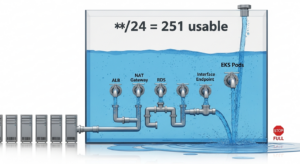
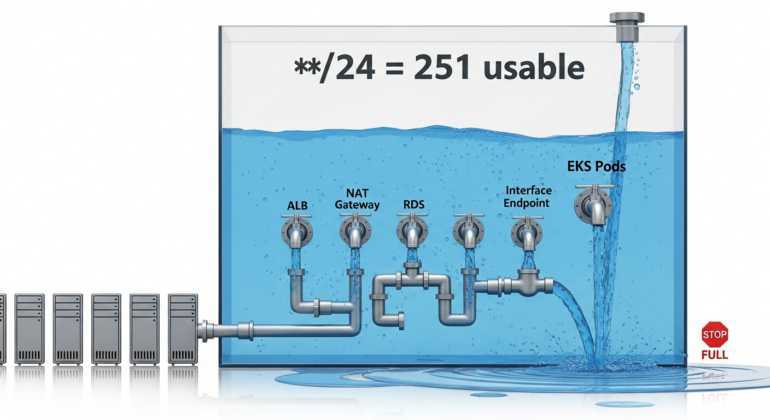
Expand the subnet size. For example, switching from a /24 subnet (which provides 254 usable addresses) to a /23 subnet (which gives 510 usable addresses) can potentially double the number of devices you can support.
Exhaustion of DHCP Leases:
The time for which a DHCP lease lasts directly influences how long an IP address is “reserved” for a specific device. If lease times are too short, the server may run out of addresses to distribute, especially in more extensive networks.
Remedial Action:
Increase the duration of DHCP leases. Raising the lease time to hours or even days can reduce the frequency at which IP addresses are refreshed and thus the chance of running out of addresses.
On a side note, if your organisation uses IPv6 instead of the more traditional and common IPv4, many of these potential issues essentially become non-issues due to the vast number of available IP addresses under IPv6.
As a coder, I’d like to share with you a simple command-line snippet that deals with renewing your DHCP lease. This action might help in troubleshooting the DHCP-
ipconfig /release

ipconfig /renew
Note: The first command releases your IP, and the second one asks the DHCP for a new IP address.
In conclusion, while there may be potential issues with using DHCP within Wi-Fi environments, proactive management strategies and robust contingency measures can help to mitigate such issues effectively. And, with the transition to IPv6 in many organisations, much of the address related challenges are no longer relevant. Read more about these potential issues, commands, and their resolutions here.
At the end of the day, understanding the intricate facets of DHCP in relation to WiFi isn’t just useful; it’s integral towards maintaining smooth and functional network interactions.Absolutely, let’s delve into this topic.
Dynamic Host Configuration Protocol (DHCP) is an essential component in any network structure, including Wireless Local Area Networks (WLANs), colloquially known as Wi-Fi. DHCP facilitates the automatic assignment of IP addresses to every device connected to the Wi-Fi network and manages them efficiently without manual intervention[1](https://en.wikipedia.org/wiki/Dynamic_Host_Configuration_Protocol).
This becomes increasingly important on larger networks, like those managed by Internet Service Providers (ISPs). Here’s a brief idea of how ISPs implement DHCP in WLANs:
1. When a new device attempts to connect to the Wi-Fi network, it sends out a ‘DHCP Discover’ message, signaling that it requires an IP address.
DEVICE: DHCP Discover!
2. Upon receiving this, the ISP’s DHCP server responds with a ‘DHCP Offer’ message, suggesting an IP address for the device.
ISP DHCP SERVER: DHCP Offer - Use 192.168.0.12
3. The device can then either accept the offer or decline it. Once accepted, the device sends out a ‘DHCP Request’ message requesting to use the provided IP address.
DEVICE: DHCP Request - I want to use 192.168.0.12
4. The ISP’s DHCP server acknowledges this request by sending a ‘DHCP Acknowledgement’ message. This IP address will now be uniquely assigned to the device until it disconnects from the Wi-Fi network, helping the ISP manage hundreds or thousands of devices effectively.
ISP DHCP SERVER: DHCP Acknowledgment - You now have 192.168.0.12
Step
Device Message
DHCP Server Reply
DHCP Discovery
DEVICE: DHCP Discover!
DHCP Offer
ISP DHCP SERVER: DHCP Offer – Use 192.168.0.12
DHCP Request
DEVICE: DHCP Request – I want to use 192.168.0.12
DHCP Acknowledgment
ISP DHCP SERVER: DHCP Acknowledgment – You now have 192.168.0.12
When a device disconnects from the wireless network, its allocated IP address goes back into the pool to be re-assigned to other devices. Consequently, users don’t need to worry about setting up their own network parameters and can easily connect to the wireless network, making Wi-Fi networks user-friendly and highly adaptive to changes[2](https://www.britannica.com/technology/Wi-Fi).
So to answer your question: Yes, DHCP is indubitably used extensively in Wi-Fi technology. Moreover, the innovative implementation of DHCP by ISPs in WLANs has been paramount in the widespread success and everyday use of Wi-Fi technology.
DHCP, an acronym for Dynamic Host Configuration Protocol, is used ubiquitously in Wi-Fi networks. As its name implies, DHCP dynamically distributes network configuration parameters, including IP addresses, for interfaces and services. The attributes it offers to a Wi-Fi network system could be significant to both individuals and businesses navigating the virtual world.
We’ll discuss the merits and demerits of using DHCP over Wi-Fi networks in this context:
Pros:
Simplified Network Administration: DHCP minimizes manual IP address configuration tasks. It hands out IP addresses to the devices automatically from a defined range, which reduces the chances of human errors that can cause network issues.
/*
Example Code:
Here's how you can configure dhcp on a router in Cisco packet tracer:

Router> enable
Router# configure terminal
Router(config)# ip dhcp pool NETWORK_NAME
Router(dhcp-config)# network NETWORK_IP SUBNET_MASK
Router(dhcp-config)# default-router GATEWAY_IP
Router(dhcp-config)# exit
Router(config)# end
Router#wr
*/
Economical For Large Networks: When your network hosts many devices, DHCP makes more sense. With DHCP, there’s no need to manually assign and manage IP addresses for every new device. Your network becomes scalable.
Mobility: DHCP allows mobile devices like smartphones and tablets to easily connect to different networks. DHCP assigns them with a temporary IP when they enter a new network making the transition seamless.
Cons:
Dependence On Server Availability: If your DHCP server goes offline, or if it is unable to process the requests of clients for some reason, it might cause serious network operation disruptions. New devices won’t be able to join the network until the problem is resolved.
Security Risks: Since anyone with access to the network can get a valid IP address from the DHCP server, it opens up potential vulnerabilities. An attacker could potentially exhaust the DHCP pool by requesting multiple IP addresses, causing a Denial of Service (DoS).
Complications with Static Devices: Certain devices within a network, such as servers, printers, or network equipment, typically operate on static IP addresses. DHCP can complicate this by accidentally assigning those reserved IPs to dynamic clients.
The use of DHCP in a Wi-Fi setup involves these fundamental considerations. Of course, these pros and cons may hold different weights based on the specific circumstances and needs of your network. In professional environments, in particular, it often requires striking a balance between administrative efficiency, scalability, mobility, and security concerns.
To learn more about DHCP, check this resource: Wikipedia- DHCP
.
Yes, DHCP (Dynamic Host Configuration Protocol) is indeed used in WiFi networks. Its deployment is significantly beneficial for network administrators, as it automates the IP configuration process of network devices. Effectively managing and monitoring all the devices on WiFi would be a daunting task without DHCP.
DHCP overview
First off, let’s understand what DHCP does: it dynamically distributes network configuration parameters to devices on a network. It enables automatic assignment of IP addresses, subnet masks, gateway information, DNS server details, and more. This ensures that each device on your network has its unique address, enabling communication over the internet or within the intranet. The benefits entail avoiding manual IP address conflict resolutions, reducing human errors during the setting process, and saving significant administrative effort altogether.
DHCP in action
To illustrate even further, suppose you have a smartphone that you want to connect to your home’s Wi-Fi. When you enter your Wi-Fi password and establish the connection, your WiFi router – acting as a DHCP server – leases an IP address to your phone from a pool of addresses configured on the server. This all happens behind the scenes; users don’t interact with it directly.
Enterprise WiFi Networks
Beyond the domestic realm, consider a large enterprise with thousands of network devices like laptops, mobiles, tablets, and IoT gadgets. Manually handling IP configurations would be near impossible under such conditions. Again, DHCP comes to the rescue by providing automated and central management of IP assignments.
// A simple code snippet to demonstrate requesting IP info via DHCP
#include <ESP8266WiFi.h>

void setup() {
  // Start Wi-Fi network
  WiFi.begin("YourSSID", "YourPASSWORD");

  // Wait for connection to establish
  while (WiFi.status() != WL_CONNECTED) {
    delay(500);
  }

  // Print the assigned IP address
  Serial.print("Assigned IP: ");
  Serial.println(WiFi.localIP());
}
Lifewire provides a more detailed explanation on the working of DHCP, if you should need it.
In summary, the use of DHCP in Wi-Fi networks is fundamental to the operability and manageability of said networks. Without DHCP, users might experience connectivity or IP conflict issues, and network administration would undoubtedly be appreciably more challenging. So, when you question whether DHCP finds usage in WiFi contexts, the answer rings out unequivocally—yes, it most certainly does.